
Backyard Soil Removal Adelaide: 7 Common Mistakes to Avoid
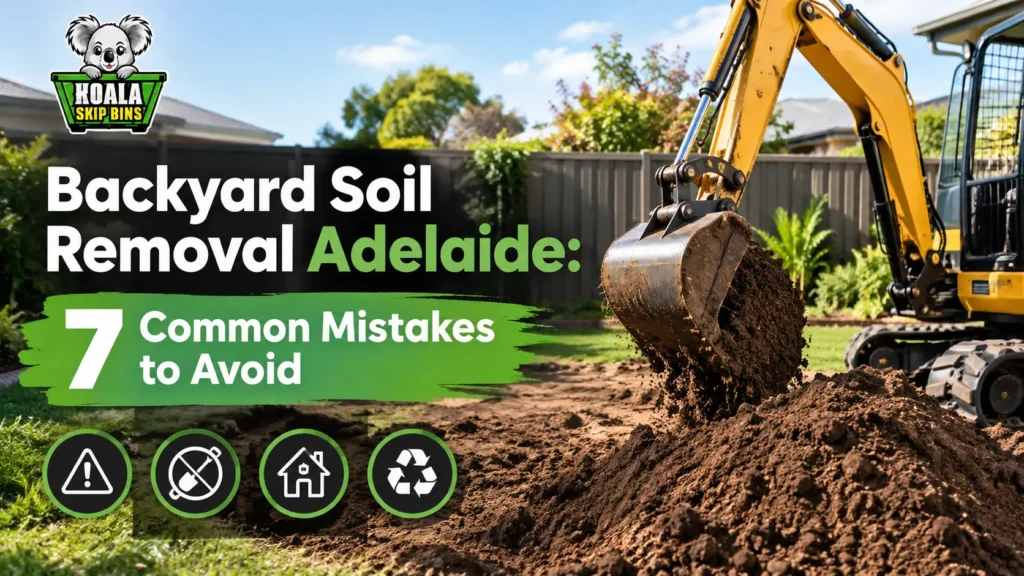
Clearing extra dirt from the backyard can feel easy at first. Then you are faced with a pile that keeps growing, and you realise you did not decide where it will go. It can happen when you are fixing up a yard after work is done, when you dig for a pool, or when you clear out beds for new landscaping. In Adelaide, backyard soil removal catches many people off guard, and most of the problems end up costing time, cash, or both.
At Koala Skip Bins, we have carried out plenty of excavated soil, clay, and garden waste around Adelaide. Over time, we noticed patterns in where things tend to go off track. Here are seven common slip-ups we keep seeing, along with the better option for each one.
1. Underestimating How Much Soil You Actually Have
The biggest error on this list comes from how soil behaves after it is dug. When it sits in place, the ground can look tight and dense. But after you lift it, it often swells by about 20 to 30 percent. So a pit that seems to fit one cubic metre of dirt can turn into closer to 1.3 cubic metres once you have excavated it.
Many homeowners pick a skip bin based on the hole size. They do this without thinking about the pile volume after the soil has expanded. The result is they run short partway through. Then they have to book a second bin, which also means paying another delivery fee.
What to do instead: Work out the excavation volume using length, width, and depth. Then take your number and multiply it by 1.25 or more to allow for bulking. If you are not sure, contact a soil removal crew. Tell them what you are digging, and they can size the bin right from the start.
2. Assuming Any Skip Bin Will Do
Not all skip bins are built for soil. Dirt, clay, and excavated fill are dense and far heavier per cubic metre than household rubbish or green waste. Ordering a standard general-waste skip for a soil job often means:
- Hitting the weight limit before the bin is visually full
- Paying excess weight fees
- Risking damage to the bin or the delivery truck
What to do instead: Ask specifically for a bin rated for soil disposal or heavy fill. Providers like Koala Skip Bins offer bins designed to handle the weight of dirt and excavated material without blowing out your budget on overage charges.
3. Mixing Soil With Other Waste Types
It’s tempting to throw broken pavers, old tree roots, general rubbish, and dirt into the same bin. But mixed loads are one of the fastest ways to inflate a soil removal job’s cost.
Clean soil free of contaminants, concrete, and green waste can often be processed and reused (as clean fill, for example). Once it’s mixed with other materials, it usually has to be treated as mixed waste, which costs more to dispose of and can attract additional sorting fees.
What to do instead: Keep soil separate from:
- Concrete, bricks, and rubble
- Tree stumps, branches, and green waste
- General household rubbish
If you have multiple waste types, it’s often cheaper to hire two smaller bins, one for garden waste removal and one for dirt removal, than one large mixed bin.
4. Not Checking Access Before Booking
A skip bin truck needs a clear path that is mostly flat, so the driver can put the bin near the excavation spot. In Adelaide’s older areas, this can be tricky. Some homes have narrow driveways. Others have little space along the side. Some front yards slope too much for a normal delivery.
If you book first and check later, you can end up with the bin on the road. That road placement may require a permit. You can also get a situation where the truck cannot deliver on the day at all.
What to do instead: Walk the route from the sidewalk to the bin spot before you book. Look for sharp turns, branches that hang low, and any sloped sections. Tell the waste removal team about what you notice. They will ask anyway, but it goes quicker when you share it first.
5. Forgetting About Council Permits for Street Placement
If you do not have space on your block, the skip will usually need to be placed on the verge or out on the road. Many councils around Adelaide ask for a permit before you do this. If you ignore the rule, you may get hit with fines. In some cases, the council can ask for the skip to be taken away while your work is still going.
What to do instead: Before the bin turns up, call your local council. (City of Adelaide, Onkaparinga, Salisbury, Marion, and other areas can have small rule differences.)
Ask what you need first. In many cases the permit is not costly and does not take long, but they may ask for a few business days to process it.
Do not wait until delivery day.
6. Digging First, Planning Disposal Second
A surprising number of soil removal jobs start with a shovel and a plan to “figure out the bin later.” By the time the pile is halfway across the lawn, there’s nowhere left to put a skip bin, and the dirt has to be moved twice once into a temporary pile, and again into the bin.
What to do instead: Book your excavation services or skip bin before you start digging. Position the bin (or know exactly where it will go) so soil can be shovelled or wheelbarrowed directly in, rather than piled and re-handled.
7. Overlooking What’s Actually in the Soil
Adelaide backyards, especially in older or industrial-adjacent suburbs, sometimes have soil that isn’t as clean as it looks. Builders’ rubble, old fill, or contaminated soil from a previous structure can all be buried a spade’s depth down. This matters because contaminated or non-clean fill often can’t go into a standard soil bin and may need specialist disposal.
What to do instead: Tell us when you book if the land used to have buildings, demolishing work, or factory or yard activity. Also let us know if, while you dig, you see strange stains, dust or chunks, or you smell something unusual. It usually costs less to point it out at the start than to have the load turned away later at the dump.
Why These Mistakes Cost More Than They Should
A lot of the mistakes I mentioned point to one theme. They take one planned soil removal job and split it into two or three chunks. That is how the bill rises. A second bin drop off, an extra weight charge, a load that gets turned away, or a council penalty can double the total cost for what should have been a simple clean up.
The solution is not hard, but it does need order. Start by figuring out how much soil you have. Then pick the correct bin size. Keep each load tidy so it is not mixed. Also check site access and any permits before the first shovel hits the soil.
Industry Trends Worth Knowing
- Clean fill reuse is growing. More Adelaide landscaping and construction sites are actively seeking clean, uncontaminated soil for reuse, which is why keeping soil separate from other waste matters more than ever it can be diverted from landfill entirely.
- Weight-based pricing is becoming standard. Many providers have moved from flat “per bin” pricing to weight-based pricing for soil and heavy fill, which rewards accurate volume estimates and penalises mixed or contaminated loads.
- Same-day and next-day delivery demand has increased, particularly for renovation-driven jobs, meaning booking early in your project timeline (not once the pile already exists) gets you better scheduling options.
Frequently Asked Questions
How much does backyard soil removal cost in Adelaide?
Cost depends on volume, soil type, and access. As a rough guide, expect pricing to scale with cubic metres and weight rather than a flat rate heavier clay-based soils typically cost more to remove than lighter garden soil. Get a quote based on your actual excavation size for an accurate figure.
Can I put soil in a regular skip bin?
You can, but it’s not ideal. Regular skips aren’t always rated for the weight of dense, wet soil, and you risk hitting weight limits before the bin looks full. Ask for a bin specifically suited to soil disposal Adelaide jobs.
What’s the difference between soil removal and general waste removal?
Soil removal deals specifically with dirt, clay, and excavated fill, which is dense and often reusable as clean fill. General waste removal covers mixed household or renovation rubbish, which usually goes to landfill and is priced differently.
Do I need a council permit to place a skip bin on the street in Adelaide?
In most cases, yes, if the bin sits on a public road, footpath, or verge rather than fully on your private property. Requirements vary by council, so check with your local council before booking.
How long can I keep a skip bin for a soil removal job?
Most providers offer hire periods ranging from a few days to a couple of weeks. If your project is likely to take longer, ask about extending the hire period rather than assuming costs and availability will vary.
What happens to the soil after it’s removed?
Clean, uncontaminated soil is often reused as fill for other construction or landscaping projects. Contaminated or mixed soil typically needs to go to a licensed disposal facility, which is why keeping loads clean is worth the extra effort.
Can I remove soil myself instead of hiring a skip bin?
For very small jobs (a few garden beds, for example), yes. For anything involving an excavation, a pool removal, or a significant regrade, a skip bin or dedicated excess soil removal service is almost always faster and cheaper than multiple trailer trips to the tip.
What size skip bin do I need for soil removal?
This depends entirely on your excavation volume remember to add roughly 25% for soil expansion. A provider experienced in soil removal services can help you size it correctly based on your dig dimensions rather than guesswork.
Get It Right the First Time
Backyard soil removal in Adelaide doesn’t have to involve second bookings, surprise fees, or rejected loads. Plan your volume, choose a bin built for the job, keep your load clean, and sort access and permits before you start digging.
If you’re planning a soil removal job, big or small, Koala Skip Bins can help you choose the right bin size and hire period for your project, with local knowledge of Adelaide access and council requirements built in. Get in touch for a quote tailored to your job.
Recent Posts


About Me
Koala Skip Bins is Adelaide’s trusted waste management solution, providing reliable and affordable skip bin hire for residential, commercial, and industrial needs. We take pride in our eco-friendly approach, ensuring responsible waste disposal and recycling to reduce environmental impact. With a range of bin sizes, flexible hire options, and prompt delivery and pickup, we make rubbish removal hassle-free.



Sign up for our Newsletter
Click edit button to change this text. Lorem ipsum dolor sit amet, consectetur adipiscing elit